Electrolysis vs. Laser Hair Removal (and other methods): What’s the Real Difference?

There are several ways you can get rid of excess body and facial hair, but which method is best for you?

Electrolysis

Electrolysis is a permanent solution for removing excess facial and body hair. In this process, a fine probe is inserted along the natural hair shaft, and a controlled electrical current is delivered to the root (papilla). This destroys the germinative cells responsible for hair growth, allowing the hair to release from the follicle and be permanently removed.

Because electrolysis treats each hair follicle individually, it is effective on all hair colours and all skin types, including light, blonde, grey, and hormonally driven facial hair. This makes it especially suitable for delicate facial areas such as the upper lip, chin, jawline, and neck, where precision and long-term results are essential.

Electrolysis is the only hair removal method classified as “permanent hair removal” by the FDA, which is why it is widely recognized as the gold standard for permanent facial hair removal — particularly for anybody seeking lasting, reliable results rather than temporary hair reduction.

Laser Hair Removal

Laser is effective for reducing excess hair. Laser targets the hair by using mild radiation that is attracted to dark-coloured hair (melanin) with the help of high-heat lasers. This is why your skin needs to be light and your hair needs to be dark and coarse.

Laser’s Destruction Rate

Laser can remove existing visible hair, but only permanently destroys 1 in 6 hairs at each treatment. These poor results from Laser are because the bulge and its stem cells are relatively transparent and therefore immune to heating by laser light. That means the follicle can produce another hair. It might be finer, it might be lighter, but it can still grow back. This is why it’s classified as permanent hair reduction.

With laser hair removal, the laser beam connects with pigments (melanin), meaning dark skin can be burned by absorbing too much light. Additionally, it only works on dark hair – not white, grey, red or blonde.

Paradoxical Hypertrichosis
Additionally, in up to 10% of laser clients, laser can actually stimulate hair growth (anecdotally, that number is significantly higher, since there is no reporting/tracking method). This is called Paradoxical Hypertrichosis.

*Laser is not a permanent solution. For this reason, the FDA, the AMA (American Medical Association) and the Therapeutic Goods Administration (TGA) only permits Laser to describe themselves as “permanent hair reduction”

FDA Position on Hair Removal

The United States Food and Drug Administration (FDA) through its Center for Devices & Radiological Health regulates electrolysis equipment, lasers & other medical equipment. Amid the growing popularity of laser hair removal & the extravagant claims of manufacturers & clinics, the FDA reiterated its position that only electrolysis can permanently remove hair & warned laser clinics against making such claims.

The FDA Consumer Health Information Bulletin of 27 June 2007 states:

“The US. Food and Drug Administration (FDA) recognizes electrology as providing permanent hair removal. The FDA identification in Title 21, CFR, Sec. 878.5350 for needle-type epilators is: “a device intended to remove the hair by destroying the dermal papilla of a hair” As no other device for hair removal has the unique identification of “destroying the dermal papilla of a hair” only electrologists are allowed to claim permanent hair removal in their advertising”


Other Hair Removal Methods

Plucking, Tweezing, Threading

Plucking/tweezing/threading is a way of hiding hair during early stages. It is an easy fix. However, plucking from the follicle may lead to the distortion of the follicle, which may cause hair to thicken and turn darker. These methods can, and often do, cause ingrown hairs because sometimes hairs break off just below the skin when they’re plucked. It’s not a permanent solution. Excessive plucking can also lead to scarring and hyperpigmentation (discolouration). 

3 wooden waxing popsicle sticks with googly eyes looking straight on at the camera and 2 disposable pink razors with googly eyes, looking over at the popsicle sticks.

Shaving

Shaving is an easy fix.  However, if you have to do it daily, you can have issues like razor burns, irritation, redness, ingrown hairs and 5 o’clock shadow (grey patches on shaved area). Not to mention, it’s d..a..i..l..y… for the rest of your life – a real time sink in a busy schedule. It’s not a permanent solution.

Waxing

Waxing is also effective for removing excessive hair. In waxing, warm wax is spread over the affected areas; cooled slightly and, while holding skin taunt, pulled off. Waxing can, and often does, cause ingrown hairs because sometimes hairs break off just below the skin when they’re waxed. It’s not a permanent solution.

Sugaring

Sugaring (similar to waxing) is also effective for removing excessive hair. In sugaring, sugaring mixture is spread over the affected areas; a strip of cloth is placed over area. After holding the skin tight, the cloth is pulled off. Sugaring can, and often does, cause ingrown hairs because sometimes hairs break off just below the skin when they’re sugared. It’s not a permanent solution.

Depilatory Creams

Depilatory cream is another way of removing excess hair due to hirsutism. They remove excess hair by the use of a chemical that dissolves the hair. Depilatory creams are made of a long list of chemicals, not good for the environment and not good for you. It’s not a permanent solution.

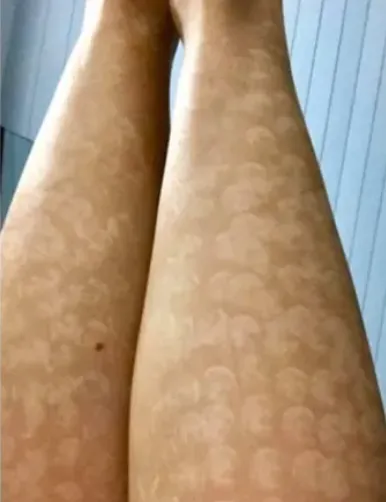
Laser can cause scarring & skin damage.
 It requires life long top-ups because it’s permanent hair reduction – not permanent hair removal.
Skin damage and discoloration after laser hair removal treatment

Waxing isn’t permanent & usually has to be done every 3 weeks. People who wax twice a month will spend an average of $40,000 over a lifetime…
We’ll just let that sink in.

Waxing hair removal showing temporary and repetitive hair removal method

Electrolysis is the best solution to permanently get rid of excess hair!

There are 3 methods of electrolysis treatments:

  • Thermolysis: This method uses a high-frequency alternating current that is passed down through the needle to the hair follicle. The high frequency causes a vibration in the cells of the hair follicle, producing enough heat to cauterize the hair bulb.
  • Galvanic: This method uses direct-current electrolysis, which means that a direct electric current is passed down through the needle into the hair follicle, where it creates a chemical reaction. This reaction converts tissue saline into sodium hydroxide, a caustic agent that then destroys the hair bulb.
  • Blend: This method combines both the galvanic and thermolysis methods. These sessions usually take a little longer to complete.

Regardless of the cause – heredity, metabolic, or hormonal conditions – electrolysis will permanently remove unwanted hair.

Electrolysis is the ONLY method that:

  • is medically proven permanent hair removal,
  • is classified as permanent hair removal by the FDA
  • works on all skin tones (including dark skin and tattooed skin) and
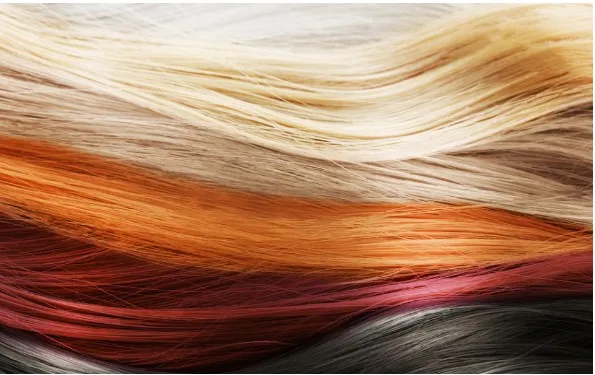
  • works on all hair colours (yes! even white, grey, blonde & red) 
Different hair colours showing electrolysis works on blonde red grey and dark hair

Got Questions? 
I can answer them!


Razor Free Electrolysis, 196 Golden Oaks Cres, Nanaimo, BC