Laser is effective for reducing excess hair. Laser targets the hair by using mild radiation that is attracted to dark-coloured hair (melanin) with the help of high-heat lasers. This is why your skin needs to be light and your hair needs to be dark and coarse.
Laser’s Destruction Rate
Laser can remove existing visible hair, but only permanently destroys 1 in 6 hairs at each treatment. These poor results from Laser are because the bulge and its stem cells are relatively transparent and therefore immune to heating by laser light. That means the follicle can produce another hair. It might be finer, it might be lighter, but it can still grow back. This is why it’s classified as permanent hair reduction.
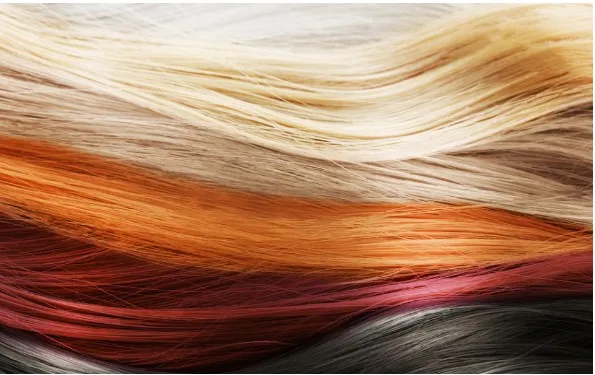
With laser hair removal, the laser beam connects with pigments (melanin), meaning dark skin can be burned by absorbing too much light. Additionally, it only works on dark hair – not white, grey, red or blonde.
Paradoxical Hypertrichosis
Additionally, in up to 10% of laser clients, laser can actually stimulate hair growth (anecdotally, that number is significantly higher, since there is no reporting/tracking method). This is called Paradoxical Hypertrichosis.
*Laser is not a permanent solution. For this reason, the FDA, the AMA (American Medical Association) and the Therapeutic Goods Administration (TGA) only permits Laser to describe themselves as “permanent hair reduction”
FDA Position on Hair Removal
The United States Food and Drug Administration (FDA) through its Center for Devices & Radiological Health regulates electrolysis equipment, lasers & other medical equipment. Amid the growing popularity of laser hair removal & the extravagant claims of manufacturers & clinics, the FDA reiterated its position that only electrolysis can permanently remove hair & warned laser clinics against making such claims.
The FDA Consumer Health Information Bulletin of 27 June 2007 states:
“The US. Food and Drug Administration (FDA) recognizes electrology as providing permanent hair removal. The FDA identification in Title 21, CFR, Sec. 878.5350 for needle-type epilators is: “a device intended to remove the hair by destroying the dermal papilla of a hair” As no other device for hair removal has the unique identification of “destroying the dermal papilla of a hair” only electrologists are allowed to claim permanent hair removal in their advertising”